Water damage can strike without warning, leaving your Cleveland home or business soaked and vulnerable to mold, structural issues, and costly repairs. If you’ve ever dealt with a burst pipe, heavy rain, or a leaky roof, you know the urgency of removing moisture fast to minimize long-term damage. At Cleveland Water Damage, we’ve handled countless cases across the city, from flooded basements in West Park to commercial spaces in Ohio City, and we’ve seen how quickly water can ruin everything if not addressed promptly. In this post, we’ll break down what dries up water quickly, why it matters, and how you can take action right away. Whether it’s a small spill or major flooding, understanding these essentials can save you time, money, and stress. Stick with us to learn practical steps tailored to Cleveland’s variable weather and older housing stock, so you can restore your property efficiently and get back to normal.
Understanding What Dries Up Water Quickly: The Science Behind Effective Drying
When water invades your property, the goal is to remove it as swiftly as possible to prevent secondary damage like warping wood, corroding metals, or fostering mold growth. But what exactly dries up water quickly? At its core, rapid drying relies on evaporation accelerated by tools and techniques that manipulate air flow, temperature, and humidity. Evaporation is the process where water turns from liquid to vapor, and speeding it up requires lowering humidity while increasing air movement and warmth.
Key factors include:
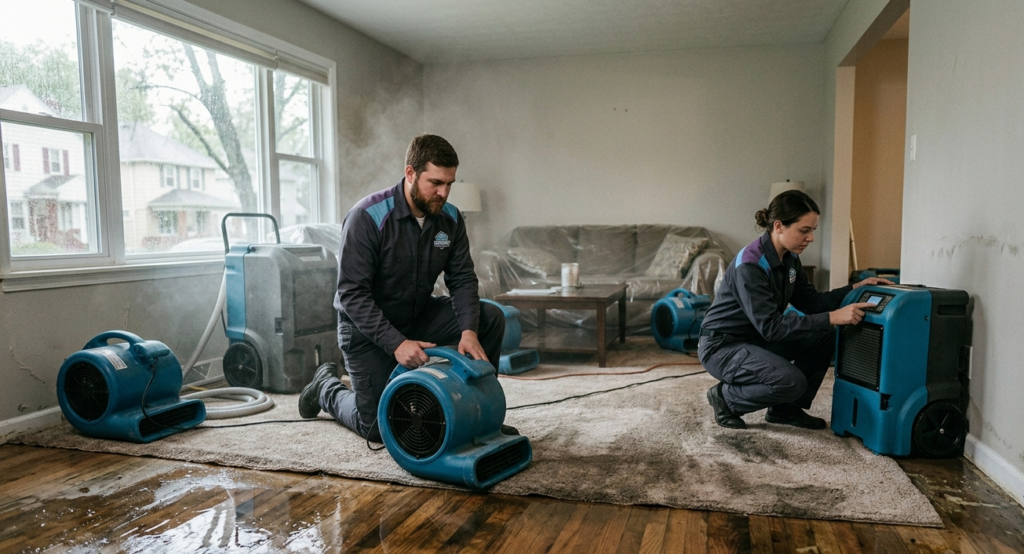
- Dehumidifiers: These machines pull moisture from the air, reducing relative humidity to levels below 50%, which forces water to evaporate from surfaces faster. Industrial-grade units can extract gallons per day, making them essential for large-scale water removal.
- Air Movers (Fans): High-velocity fans create directed airflow that whisks away moist air and brings in drier air, preventing stagnation. Positioned strategically, they can dry carpets and walls in hours rather than days.
- Heat Sources: Controlled heat from heaters raises the temperature, boosting evaporation rates since warmer air holds more moisture. However, it’s crucial to balance this to avoid damaging materials like drywall.
- Absorbents: Materials like silica gel or specialized desiccants soak up standing water directly, providing an initial quick reduction before mechanical drying kicks in.
Why does this matter? Water damage isn’t just about the visible puddle; it seeps into hidden areas, leading to microbial growth within 24-48 hours if humidity stays high. In Cleveland’s climate, with its humid summers and cold winters, untreated water can exacerbate issues like ice dams or frozen pipes, turning a minor incident into a major headache.
In our experience at Cleveland Water Damage, we’ve restored properties after everything from fire hose water damage cleanup to seasonal floods, and we’ve found that combining these methods yields the fastest results. For instance, using a dehumidifier paired with air movers can reduce drying time by up to 70% compared to natural air alone. Technical terms like psychrometrics—the study of moist air properties—guide professionals in calculating optimal conditions, but the takeaway is simple: the right equipment targets moisture at its source, preventing escalation. Homeowners often underestimate how porous materials like drywall absorb water, holding it for weeks if not actively dried. By understanding these principles, you empower yourself to act decisively, whether handling it solo or calling in experts.
This approach not only saves your belongings but also preserves your home’s integrity. Consider Cleveland’s older brick homes in areas like Shaker Heights; their thick walls can trap moisture longer, making efficient drying even more critical to avoid costly structural repairs.
Practical Tips for Drying Water Quickly in Your Cleveland Property
Now that you grasp the basics, let’s get into actionable steps to dry water fast. Start by assessing the damage: shut off the water source, remove standing water with a wet vac, and ventilate if safe. For Cleveland residents, factor in local weather—humid Great Lakes air can slow natural drying, so mechanical help is often necessary, especially during rainy springs or snowy winters that lead to indoor leaks.
Here’s a step-by-step guide:
- Remove Excess Water First: Use towels, mops, or a shop vac for immediate extraction. For larger areas, rent or buy a submersible pump if water is over an inch deep.
- Set Up Dehumidifiers: Place one in the affected room, emptying the reservoir regularly. Aim for units with at least 50 pints per day capacity for home use.
- Deploy Air Movers: Angle fans to blow across wet surfaces, not directly at them, and keep doors open to circulate air. In Cleveland’s variable temps, avoid using them near heat sources to prevent fire risks.
- Monitor Progress: Use a moisture meter to check levels in walls and floors—dryness is below 15% for wood and 12% for concrete.
- Address Hidden Areas: Lift carpets, remove baseboards, and drill small holes in walls if needed to release trapped water.
Local factors play a big role here. Cleveland’s housing, like the Victorian styles in the Fairfax District, often has plaster walls that hold water tenaciously, requiring more aggressive drying. Regulations from the Ohio EPA emphasize proper ventilation to avoid mold spores spreading, so always wear PPE. If you’re in a commercial space, commercial water damage repair needs to comply with building codes, which can delay DIY efforts.
Pro Tip: An insider secret from our team—use plastic sheeting to isolate the wet area, creating a contained drying zone that boosts efficiency by 30%. This prevents dry air from mixing with humid outside air, especially useful during Cleveland’s muggy summers. Safety first: never use electrical appliances in standing water to avoid shocks.
For educational facilities, like those in the college & university damage restoration sector, quick drying minimizes disruptions. Integrate these tips with professional assessment for best results, particularly if damage affects HVAC systems common in older Ohio City buildings.
Common Mistakes to Avoid When Drying Water Damage
Rushing to dry water without a plan can lead to bigger problems. One frequent error is relying solely on household fans or opening windows, which works slowly and invites contaminants in Cleveland’s polluted urban air. This delays full drying, allowing mold to take hold—a health hazard that affects respiratory systems and can cost thousands in remediation.
Another pitfall: ignoring hidden moisture. Homeowners often dry visible surfaces but miss what’s behind walls or under floors, leading to rot and weakened structures. In Cleveland’s freeze-thaw cycles, undetected water expands when frozen, cracking foundations and racking up repair bills over $5,000 on average.
Using heat without humidity control is risky too—it can warp wood floors or delaminate countertops while breeding bacteria in the warm, moist environment. Businesses make this mistake during heating equipment fire restoration, where soot and water combine for slippery hazards.
Financially, DIY drying without tools prolongs downtime; a day extra means potential insurance denials if mold develops. Safety-wise, improper electrical use near water causes shocks or fires, especially in damp basements common in Harvard Avenue homes. Always prioritize extraction over evaporation alone to mitigate these risks.
Wrapping Up: Fast Drying for a Safer, Drier Home
To sum up, what dries up water quickly boils down to strategic use of dehumidifiers, air movers, heat, and absorbents, combined with prompt action to extract standing water. Understanding the science helps you avoid mold and structural woes, while practical tips tailored to Cleveland’s climate ensure effective results. Steer clear of common errors like incomplete drying or unsafe methods to protect your investment.
If tackling this feels overwhelming, remember that professionals handle the heavy lifting with advanced tools and expertise. At Cleveland Water Damage, we’re the local authority in restoration, serving areas like Shaker Heights with rapid response. Learn more about our team on our About Us page. Need help with what dries up water quickly in Cleveland? Call Cleveland Water Damage today at (216) 584-3433.
Leave a Reply